
What does regular spinal maintenance mean?
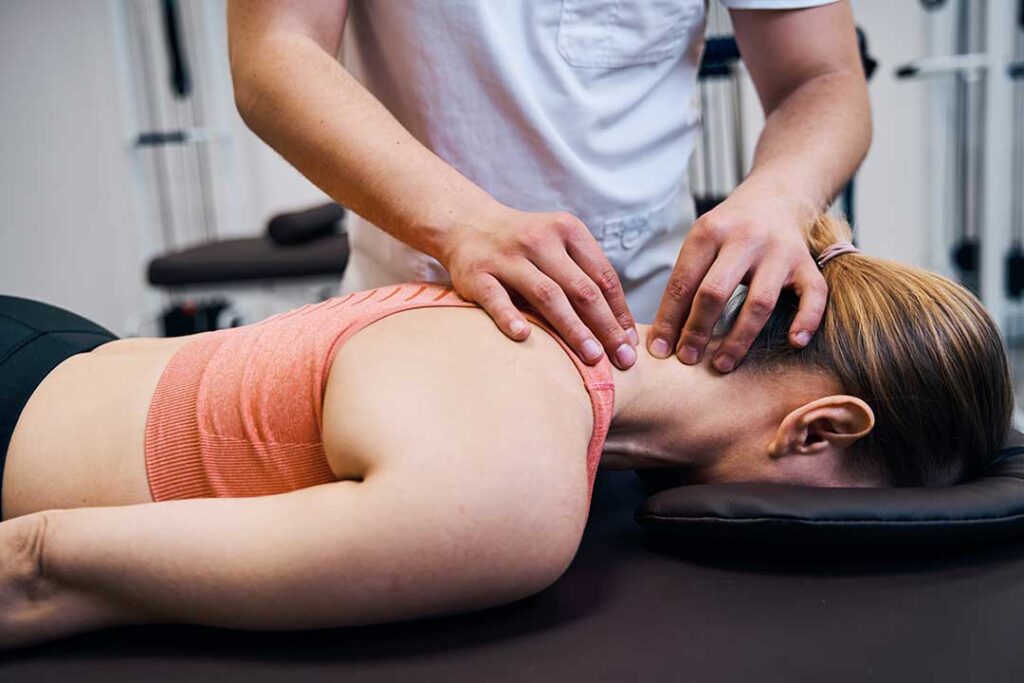
Regular spinal maintenance usually refers to periodic care intended to support movement, manage recurring discomfort, and address physical factors that may contribute to back or neck symptoms. In chiropractic settings, this may include spinal manipulation, mobilization, exercise guidance, posture education, and recommendations for changing daily activities.
The term does not mean that every person needs routine adjustments indefinitely. Evidence is stronger for using spinal manipulation as one possible treatment for certain types of low-back pain than for claiming that scheduled adjustments prevent all future spinal problems. Care should be based on symptoms, health history, goals, and response over time.
Spinal manipulation involves applying a controlled force to a spinal joint. Mobilization uses gentler movement without the same type of thrust. Both may be used alongside exercise and self-management strategies. Research summarized by the National Center for Complementary and Integrative Health indicates that spinal manipulation can produce modest improvements in pain and function for some people with acute, subacute, or chronic low-back pain. ([nccih.nih.gov](https://www.nccih.nih.gov/health/spinal-manipulation-what-you-need-to-know?utm_source=openai))
Can ongoing spinal care reduce recurring back pain?
For some people with a history of recurring or persistent low-back pain, planned follow-up care may help reduce the number of painful days or lengthen periods between episodes. However, the available research does not support a single schedule that works for everyone.
A randomized trial involving people with recurrent or persistent low-back pain found that maintenance care after an initial treatment period improved the number of pain-free days over the study period compared with care provided only when symptoms returned. The study involved a broader program that included spinal manipulation, advice, and soft-tissue treatment, so its findings should not be interpreted as proof that adjustments alone prevent recurrence. ([pmc.ncbi.nlm.nih.gov](https://pmc.ncbi.nlm.nih.gov/articles/PMC7171853/?utm_source=openai))
A reasonable approach is to track practical outcomes:
- Are painful episodes becoming less frequent?
- Is walking, sleeping, lifting, or working easier?
- Does relief last longer between visits?
- Is the person relying less on passive care and doing more independent exercise?
- Are symptoms stable, improving, or gradually worsening?
If regular care does not produce meaningful improvement in function or symptoms, the plan should be reconsidered rather than continued automatically.
What benefits may people notice?
The most realistic potential benefits relate to movement and symptom management rather than permanent structural correction. Depending on the person and the cause of discomfort, regular care may help with:
Easier movement
Joint stiffness, muscle guarding, and pain can make ordinary activities feel restricted. Manual treatment may temporarily improve range of motion, allowing a person to walk, bend, or turn more comfortably.
Better tolerance for daily activities
Reducing discomfort may make it easier to resume useful movement, including strengthening exercises, walking, household tasks, or work-related activity. The longer-term benefit often comes from combining symptom relief with active rehabilitation.
Support during recurring flare-ups
People who experience repeated episodes may recognize early warning signs such as morning stiffness, increasing muscle tension, or pain after prolonged sitting. A structured plan can help them respond earlier with movement, rest from aggravating activities, and appropriate care.
Greater awareness of movement habits
A spinal health visit may identify contributors such as prolonged sitting, poorly arranged work areas, repetitive lifting, inadequate recovery, or sudden increases in exercise. Awareness can be valuable even when manual treatment is not the central part of care.
Does regular adjustment “keep the spine aligned”?
The idea that routine adjustments permanently keep the spine aligned is an oversimplification. Spinal joints naturally move throughout the day, and symptoms can arise from many factors, including irritated tissues, muscle weakness, workload, sleep, stress, injury, and general conditioning.
A person may feel looser after treatment because pain, muscle tension, or joint restriction has temporarily changed. That improvement can be useful, but it does not necessarily mean that a bone was permanently put back into place or that future pain has been eliminated.
A more accurate view is that spinal care may help some people move more comfortably while they address the broader causes and contributors to their symptoms.
How can Albany residents apply this information seasonally?
Seasonal activities can place different demands on the back and neck. In Albany, winter conditions may involve snow shoveling, icy walking surfaces, heavier clothing, and more time indoors. These factors can contribute to sudden strain, especially when a person moves from relatively low activity to demanding outdoor work.
Practical precautions include:
- Warm up with several minutes of easy walking before strenuous shoveling or outdoor activity.
- Push snow when possible rather than repeatedly lifting it.
- Keep loads close to the body and avoid twisting while carrying.
- Break large tasks into shorter periods.
- Use indoor walking, gentle mobility work, or strength exercises during periods of reduced outdoor activity.
- Avoid treating a sudden sharp pain as ordinary stiffness.
Spring and summer may bring increases in gardening, home maintenance, recreational activity, or travel. Gradually increasing workload is generally easier on the spine than attempting several months of physical tasks in a single weekend.
What are the risks and limitations?
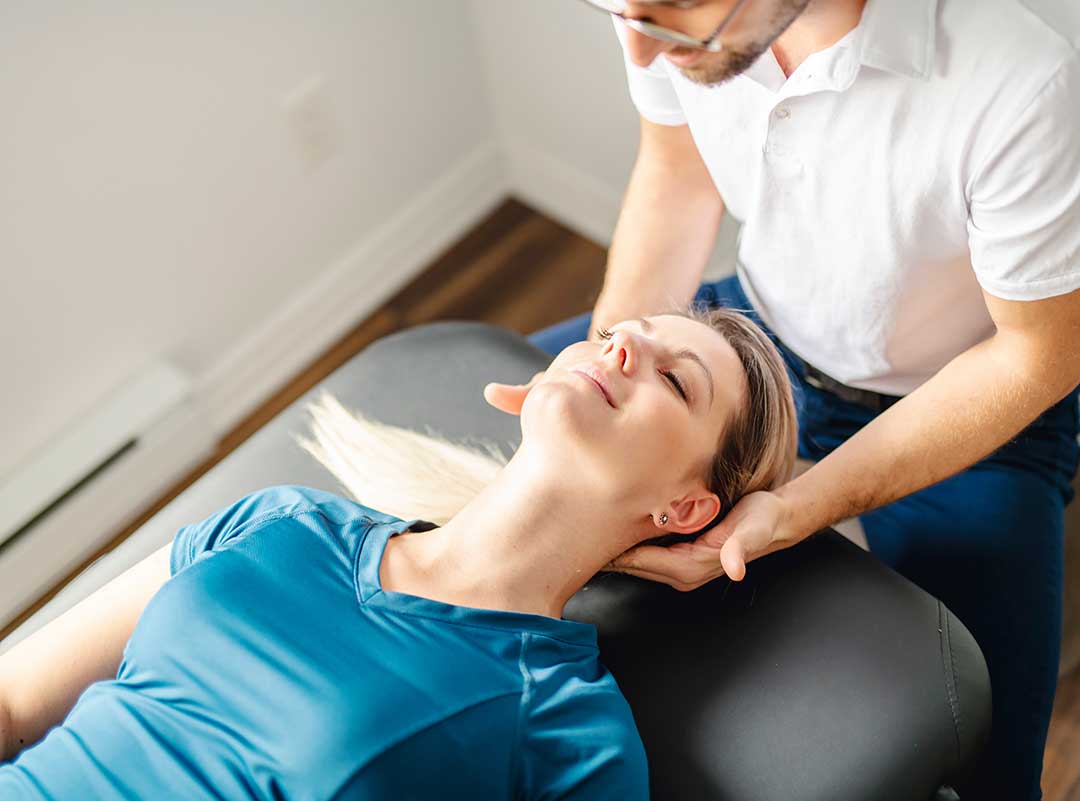
Mild, temporary soreness, stiffness, headache, or increased discomfort can occur after spinal manipulation and often resolves within a day. Serious complications are rare, but they have been reported. Neck manipulation deserves particular caution because rare artery injuries have been associated with sudden neck movement, although research has not established in every case whether manipulation caused the injury. ([nccih.nih.gov](https://www.nccih.nih.gov/health/spinal-manipulation-what-you-need-to-know?utm_source=openai))
A thorough health history matters before treatment. Relevant information may include:
- Recent falls, collisions, or fractures
- Osteoporosis or conditions affecting bone strength
- Numbness, weakness, or changes in coordination
- Blood-clotting problems or use of blood-thinning medication
- Cancer, infection, or unexplained weight loss
- Recent surgery
- Pregnancy or other major health changes
Spinal manipulation is not appropriate for every condition. Severe or rapidly worsening symptoms should be medically evaluated rather than managed only with routine maintenance care.
When is back or neck pain a warning sign?
Urgent medical evaluation is appropriate for symptoms such as new loss of bladder or bowel control, numbness in the groin area, significant or progressive limb weakness, severe pain after major trauma, fever with severe back pain, or unexplained weight loss accompanied by persistent pain.
New neurological symptoms, severe headache, dizziness, difficulty speaking, fainting, or unusual symptoms after neck treatment also require prompt medical attention.
For less urgent but persistent pain, evaluation may help determine whether the problem involves the spine, muscles, nerves, joints, or another system. Imaging is not automatically needed for ordinary uncomplicated back pain, but it may be considered when the history or examination suggests a more serious cause.
What makes a balanced maintenance plan?
A balanced plan usually emphasizes active participation. Manual care may be one component, but walking, strengthening, mobility work, sleep, work habits, and safe lifting often matter just as much or more for long-term function.
Useful questions to ask include:
- What specific problem is being treated?
- What improvement should be expected, and by when?
- What exercises or activities support recovery?
- How will progress be measured?
- What symptoms would require a different type of evaluation?
- Can the frequency of care be reduced as function improves?
For Albany residents managing recurring discomfort, the practical goal is not to pursue adjustments on a fixed schedule regardless of symptoms. The goal is to maintain comfortable movement, recognize problems early, reduce avoidable strain, and use the least intensive approach that produces meaningful improvement.
