

If you’ve lived in Albany, NY for even a few seasons, you’ve probably heard someone say, “I can feel that storm in my knees.” While it might sound like an old wives’ tale, there’s actually scientific support behind the idea that changing weather can impact joint pain. For those living in Albany and the Capital Region, where the climate swings from humid summers to frigid, wet winters, understanding how weather affects joints can help you better manage discomfort and maintain an active lifestyle.
How Weather Changes Affect Joints
Joint pain that seems to worsen with rain, snow, or cold weather isn’t unique to Albany—people everywhere experience it, but the variability in upstate New York’s climate makes it a common complaint among locals. The culprits behind this phenomenon are:
- Barometric Pressure: When a storm is approaching, barometric (air) pressure drops. This decrease can cause body tissues to expand slightly, leading to increased pressure on joints, especially those already affected by arthritis or past injuries.
- Temperature: Cold weather can stiffen ligaments, tendons, and muscles, making movement more difficult and sometimes exacerbating underlying discomfort.
- Humidity and Precipitation: Moist or rainy weather is notorious for making joint pain flare, possibly due to swelling in the joint capsule.
Why Albany’s Weather Has Such a Notable Impact
Albany’s unique climate—marked by damp springs, windy autumns, and brisk winters—creates a perfect environment for these weather-related aches. Here’s how local lifestyle and typical weather patterns contribute:
- Dramatic Temperature Swings: Overnight and seasonal temperature differences in Albany can be extreme. Such fluctuations can cause the tissues around your joints to contract and expand frequently, which may make them more sensitive.
- Seasonal Activities: Residents tend to shift from outdoor, active summers to more sedentary indoor winters. This change in activity can lead to stiffer joints and reduced flexibility, making weather-related pain more noticeable.
- Long Winters: With extended periods of cold and snow, joint stiffness from inactivity and reduced sunlight (affecting vitamin D levels) is a real concern for many Albanians.
Who Is Most at Risk?
While anyone can experience weather-related joint pain, certain groups in Albany are particularly vulnerable:
- People with Arthritis: Both osteoarthritis and rheumatoid arthritis sufferers are more likely to report weather-sensitive pain.
- Older Adults: As we age, joint cartilage thins and becomes less resilient.
- Those with Previous Injuries: Old fractures near a joint or previous surgery may make the area more sensitive.
Practical Tips to Minimize Weather-Related Joint Pain in Albany
Thankfully, there are simple lifestyle changes and strategies Albany residents can adopt to ease joint discomfort as the weather changes:
Stay Active Year-Round
Keep your joints moving, even in the coldest months. Try indoor alternatives like:
- Swimming at local community centers
- Walking at Crossgates Mall or Empire State Plaza concourse
- Taking yoga or tai chi classes
Dress Warmly and Layer Up
Invest in thermal clothing, gloves, and heated pads to keep joints warm and protected during cold spells and windy days.
Maintain a Healthy Weight
Extra pounds put more stress on your joints. Good nutrition and regular exercise (even at home during snowy Albany winters) are key.
Keep Hydrated
Drinking plenty of water keeps joints lubricated, potentially lessening the impact of changing outdoor humidity.
Consider Vitamin D Supplements
Less sunlight in winter means lower vitamin D production, which is linked to bone and joint health. Speak with your healthcare provider about testing and supplementation if needed.
Work With Your Chiropractor
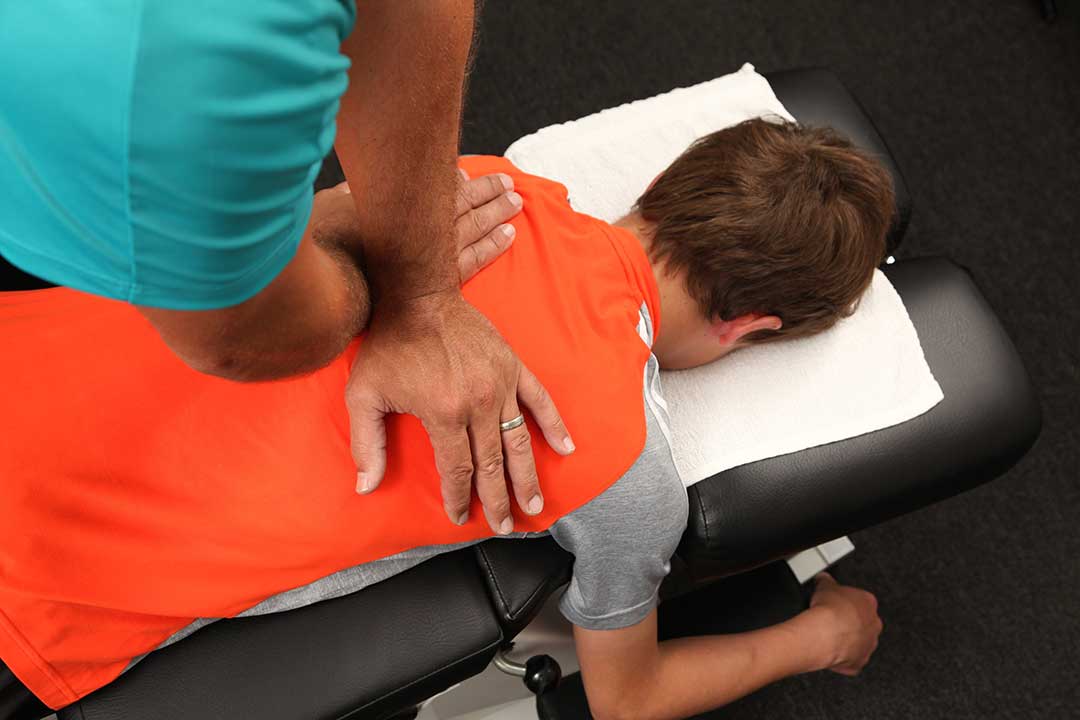
Albany’s chiropractors see plenty of patients whose pain tracks with the weather. Chiropractic adjustments, soft tissue work, and personalized exercise recommendations may help you stay comfortable and mobile year-round.
When to See a Professional
If joint pain becomes severe or starts to interfere with your daily activities—like shoveling snow off your Albany driveway or taking a walk at Washington Park—it’s very important to consult a healthcare professional. Persistent pain might signal inflammation or joint damage that needs more targeted treatment.
Frequently Asked Questions About Weather and Joint Pain
Is barometric pressure the main cause of joint pain for Albany residents?
Barometric pressure is one of several factors. Cold temperature, increased humidity, and reduced activity levels in winter can all play a role.
Does moving to a different climate help?
Some people feel better in warmer, drier climates, but there’s no guarantee. For most, adapting to Albany’s weather with exercise, layering clothing, and staying healthy is the best strategy.
Can diet affect how my joints respond to weather changes?
Eating anti-inflammatory foods—like leafy greens, fatty fish, and nuts—can help reduce overall joint inflammation, making you less sensitive to weather shifts.
Embracing the Seasons in Albany
Living in Albany, NY, means enjoying four distinct seasons and all the activities they bring, from apple picking in the fall to skiing in the winter. While weather changes can sometimes trigger joint pain, a proactive approach—including regular movement, warmth, and professional support—can help you keep discomfort at bay and get the most from Albany’s vibrant local lifestyle.
If you have questions about managing joint pain, especially as the weather shifts, reach out to a local chiropractor or health professional in Albany for personalized advice.
